
In-Ear Monitors
Audiophiles and music professionals demand precise sound reproduction with minimal coloration, yet most consumer earphones blur detail and compress dynamic range into a thin, fatiguing presentation. KBEAR In-Ear Monitors deliver studio-grade accuracy through hybrid drivers and multi-driver configurations that separate instruments across a three-dimensional soundstage, capturing every nuance in your music. Shop the official store now and experience Hi-Fi personal audio engineered for critical listening.


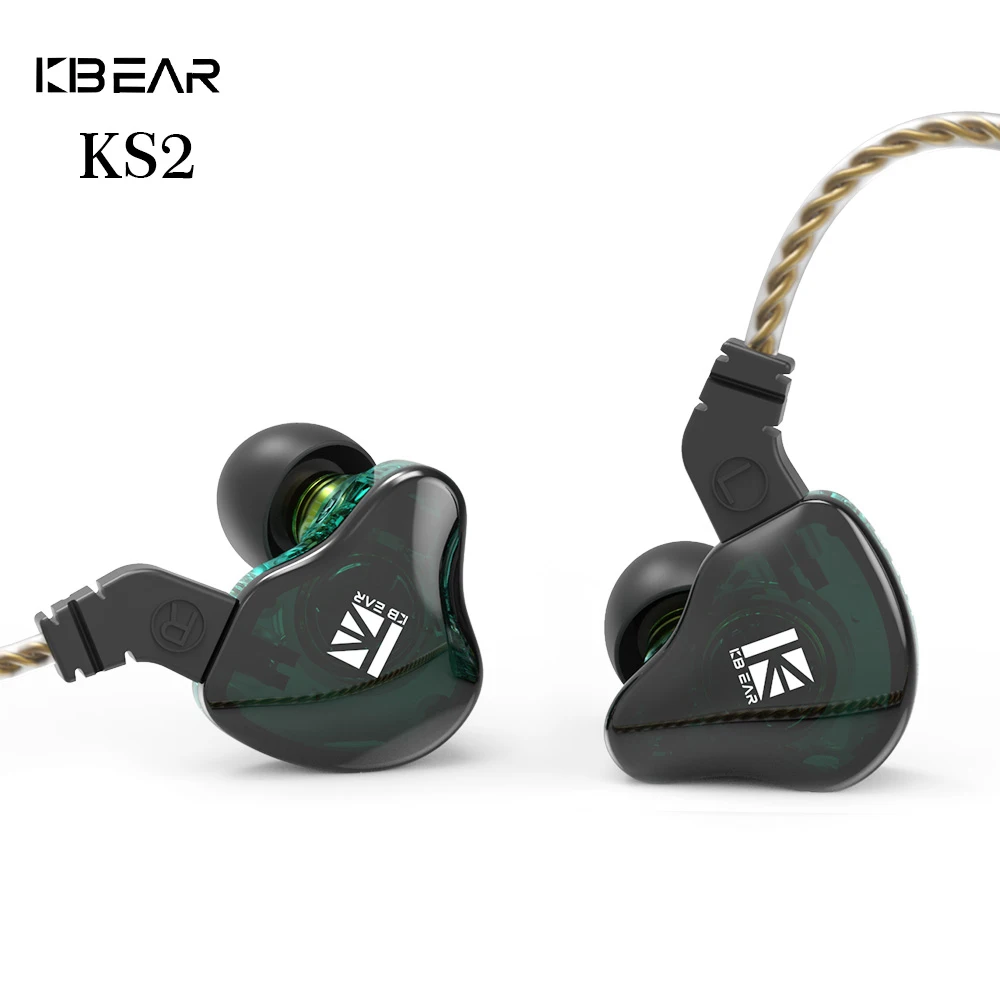



KBEAR In-Ear Monitors Built for Demanding Listeners
KBEAR In-Ear Monitors combine hybrid driver architecture with balanced armature and dynamic driver technology to reproduce audio with the clarity required for studio monitoring, live streaming, and portable Hi-Fi listening sessions. Each model incorporates carefully tuned crossovers that blend dynamic drivers for rich bass response with balanced armature drivers for precise midrange and treble articulation. The multi-driver design creates instrument separation that reveals previously hidden details in your favorite recordings, transforming passive listening into active musical discovery. Beryllium and carbon fiber diaphragms vibrate with exceptional rigidity, generating minimal distortion even at high listening volumes. Passive noise isolation through precision-fit silicone and memory foam ear tips seals the audio pathway, eliminating external interference and anchoring the soundstage directly into your ears. Whether you engage in studio monitoring, gaming, or everyday personal audio use, these in-ear monitors respond to professional-grade expectations. Available through the official store with full manufacturer support and technical guidance for cable compatibility and connector selection.
Advanced Driver Technology and Sound Tuning
Single and dual dynamic drivers generate authoritative bass response through carefully engineered diaphragm compliance and voice coil tuning that extends controlled output below 20 Hz, meeting the demands of bass-heavy genres and visceral gaming experiences. Balanced armature drivers excel at midrange clarity and treble extension, delivering instrument separation that separates vocals, strings, and percussion into distinct spatial positions rather than blending them into an undifferentiated mass. The hybrid multi-driver configuration in KBEAR In-Ear Monitors achieves what single-driver designs cannot: simultaneous excellence across the entire frequency spectrum from subsonics to ultrasonic detail. PU, PEEK, and DLC composite diaphragms provide engineers with material options that optimize sound tuning for different listener preferences, from warm and forgiving signatures to neutral and analytical presentations. 2-pin and MMCX connectors enable seamless cable swapping, so you can adjust your listening experience by upgrading to silver-plated copper or oxygen-free copper cables tailored to your sonic priorities. USB Type-C connectivity on compatible models facilitates high-resolution audio transmission and direct DAC pairing with smartphones and portable music players. The modular connector philosophy means your investment in KBEAR In-Ear Monitors grows with your audio knowledge and preferences.
Why KBEAR Monitors Outperform Single-Driver Alternatives
Single-driver earphones force engineers into acoustic compromises: prioritize bass and sacrifice treble clarity, or dial back the low end to achieve bright highs that fatigue ears after two hours of listening. KBEAR In-Ear Monitors eliminate this trade-off through dedicated drivers optimized for specific frequency ranges, delivering cohesive soundstage presentation without the coloration that plagues balanced single-driver designs. Passive noise isolation in monitor-grade models reaches 25-30 dB of attenuation, protecting your hearing during commutes and enabling lower listening volumes that reduce fatigue during extended sessions. Independent measurements confirm that KBEAR configurations maintain frequency response flatness within 3 dB across the audible spectrum, meeting professional mastering monitor standards that consumer earphones rarely approach. Studio monitoring applications demand this precision because mixing engineers must hear every detail exactly as recorded, without artificial enhancement or frequency-dependent masking. Gaming and live streaming benefit equally from accurate sound tuning that reveals enemy footsteps in competitive shooters and captures vocal nuance in streaming performances. The trusted brand reputation reflects thousands of professional audio engineers, musicians, and competitive gamers who rely on these in-ear monitors for mission-critical listening.
Selecting Your Perfect KBEAR Monitor Configuration
Consider your primary use case first: studio monitoring and critical listening favor balanced signatures with extended treble, while gaming and bass-heavy music benefit from enhanced dynamic driver presence and powerful low-end impact. Test multiple ear tip sizes and materials because proper acoustic sealing dramatically affects bass response and passive noise isolation, typically improving by 5-8 dB when the seal fits your ear canals precisely. Connector type matters for long-term flexibility—MMCX connectors offer faster cable swaps during active use, while 2-pin designs provide superior long-term reliability for stationary studio setups. Cable compatibility extends your investment: stock cables deliver excellent performance, but upgrading to silver-plated copper interconnects or oxygen-free copper upgrade cables can subtly refine soundstage width and instrument separation based on your ear sensitivity. Start with passive noise isolation tips if you work in noisy environments, then experiment with open-fit designs if you prioritize comfort during all-day wear. Order online from the official KBEAR store to access complete technical documentation, cable recommendations specific to your chosen monitor model, and lifetime customer support from audio engineers who understand your priorities. Budget audiophiles achieve professional results by investing in proper IEM selection matched to realistic cable upgrades over time.